 11
11

Good nutrition is the foundation of a healthy and active life. What Is Good Nutrition? Simply put, it means providing your body with the right balance of nutrients it needs to function properly every day. Whether your goal is to maintain a healthy weight, increase your energy levels, improve your immune system, or reduce the risk of chronic diseases, your daily food choices play a vital role. Fortunately, eating well does not require expensive superfoods or strict diets. Instead, it begins with understanding the basics and making consistent, healthier choices over time.
Your body works around the clock, even when you’re sleeping. It needs fuel to breathe, think, move, repair tissues, and produce energy. Therefore, the quality of the food you eat directly affects how well your body performs these functions.
Moreover, good nutrition supports every stage of life. Children need it for healthy growth, adults rely on it to stay productive, and older adults benefit from it by maintaining strength and reducing the risk of illness. As a result, developing healthy eating habits early can lead to lifelong health benefits.
In addition, eating a balanced diet helps regulate blood sugar levels, improves digestion, supports heart health, strengthens bones, and enhances mental well-being. Consequently, even small improvements in your daily diet can produce noticeable results over time.
A healthy diet includes six major nutrients that work together to keep your body functioning efficiently.
Carbohydrates are your body’s primary source of energy. They provide the fuel needed for your brain, muscles, and organs.
Healthy carbohydrate sources include:
However, refined carbohydrates such as sugary drinks, candies, and white bread should be consumed in moderation.
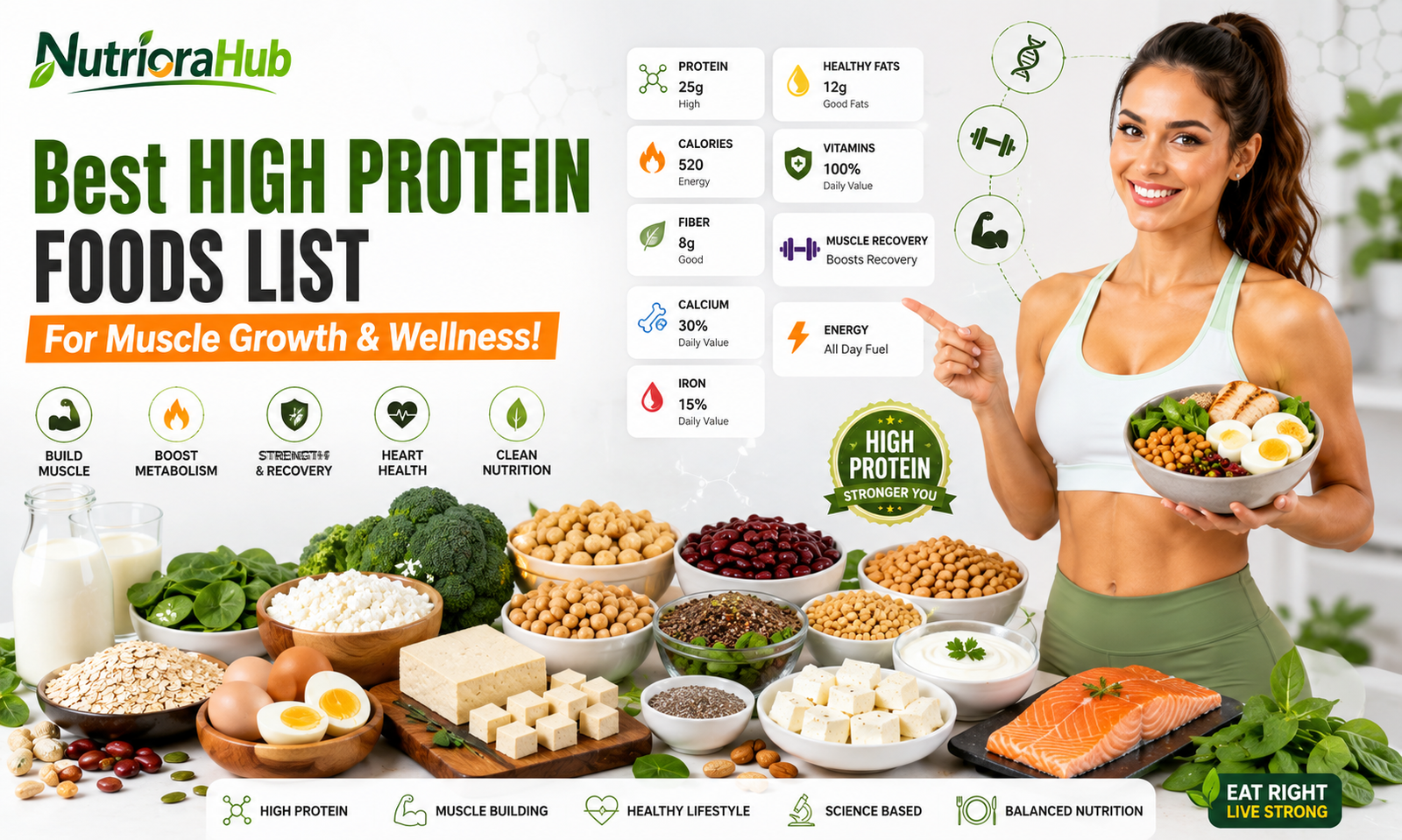
Protein helps build and repair muscles, skin, hair, and other tissues. Additionally, it plays an important role in hormone production and immune function.
Healthy protein sources include:
Vegetarians can easily meet their protein requirements by combining different plant-based foods throughout the day.
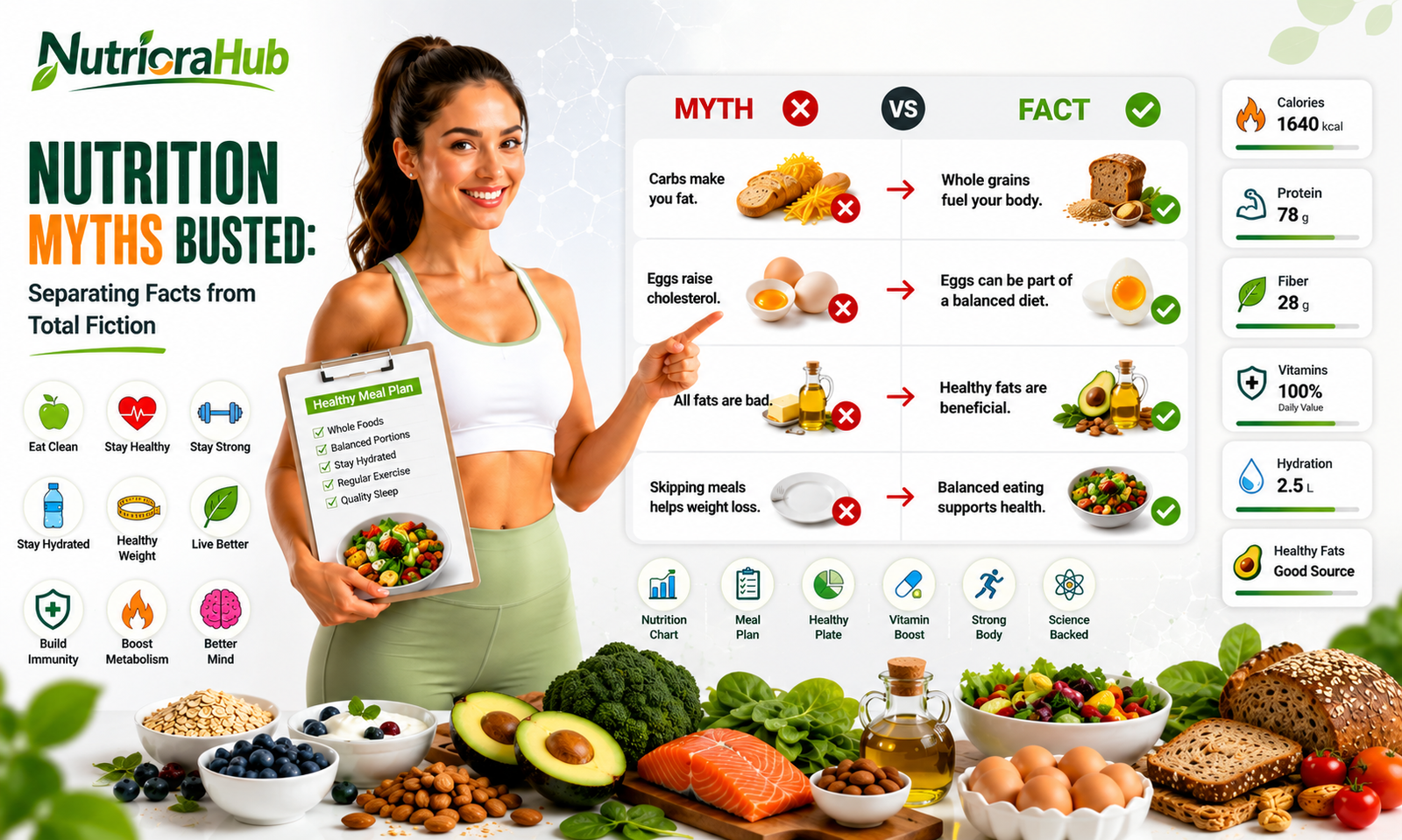
Contrary to popular belief, not all fats are harmful. In fact, healthy fats support brain function, hormone production, and vitamin absorption.
Choose healthy fats such as:
Meanwhile, limit trans fats and highly processed fried foods whenever possible.
Vitamins help regulate numerous body processes, including immunity, vision, bone health, and metabolism.
For example:
Eating a colorful variety of fruits and vegetables helps ensure adequate vitamin intake.
Minerals are equally important because they help maintain healthy bones, muscles, nerves, and fluid balance.
Important minerals include:
Fortunately, many whole foods naturally contain these essential minerals.
Although often overlooked, water is one of the most important nutrients.
It helps:
Therefore, drinking enough water throughout the day should be a priority.
A balanced plate generally includes:
This simple approach makes healthy eating easier without counting every calorie.
Eating nutritious foods is important, but healthy habits matter just as much.
A nutritious breakfast provides energy for the day ahead. Therefore, choose meals containing protein, fiber, and healthy carbohydrates.
Skipping meals often leads to overeating later. Instead, eat regular meals at consistent times.
Your brain needs time to recognize fullness. Consequently, eating slowly may help prevent overeating.
Aim to eat colorful produce every day because different colors provide different nutrients.
Whenever possible, choose foods that are minimally processed, Good nutrition. These foods usually contain more nutrients and fewer unhealthy additives.
Drink water regularly throughout the day. Additionally, reduce sugary beverages whenever possible.
Too much sugar increases the risk of obesity, diabetes, and heart disease. Good Nutrition. Therefore, read food labels and reduce sugary snacks.
Excess sodium may increase blood pressure. Instead, flavor meals with herbs and spices.
Eating healthy foods is beneficial, but overeating can still contribute to weight gain, Good nutrition. Therefore, pay attention to serving sizes.
Many people unknowingly make mistakes that reduce the quality of their diet.
Some common examples include:
Fortunately, these habits can be improved gradually, Good nutrition.
Focus on nutrient-dense foods like:
These foods provide essential Good nutrition while helping you stay satisfied longer.
Although occasional treats are perfectly fine, try limiting:
Moderation is the key rather than complete restriction.
Many people believe healthy eating takes too much time, Good nutrition. However, with a little planning, it becomes much easier.
Here are some practical ideas:
As a result, you’ll make healthier choices more consistently.
You don’t have to transform your diet overnight.
Instead:
Although these changes seem small, they can lead to significant improvements over time.
Breakfast
Oatmeal with banana, almonds, and milk.
Morning Snack
Apple and a handful of walnuts.
Lunch
Brown rice, lentils, mixed vegetables, salad, and yogurt.
Evening Snack
Roasted chickpeas and green tea.
Dinner
Whole wheat chapati with paneer curry, broccoli, and cucumber salad.
Before Bed
A glass of warm milk if desired.
This meal pattern provides a balanced combination of carbohydrates, protein, healthy fats, vitamins, and minerals.
Healthy living is built on everyday decisions rather than occasional efforts. Therefore, focus on progress instead of perfection. Every nutritious meal, every glass of water, and every healthier choice contributes to a stronger body and a healthier future.
If you’re looking for more practical Good Nutrition guides, healthy recipes, wellness tips, and evidence-based health advice, NutrioraHub is here to support you every step of the way. Explore our growing collection of articles and discover simple strategies that make healthy living achievable for everyone.
Good nutrition is not about following restrictive diets or eliminating your favorite foods. Instead, it is about eating a balanced variety of nutrient-rich foods, staying hydrated, practicing portion control, and maintaining healthy habits consistently.
Above all, remember that lasting health comes from small, sustainable changes rather than quick fixes. By choosing wholesome foods, staying active, and making mindful decisions every day, you can improve your energy, strengthen your immune system, support long-term wellness, and enjoy a healthier, happier life.


2 thoughts on “What Is Good Nutrition? Simple Tips for Better Health”